Plus Size Curvy Models Defying Mainstream Symmetry

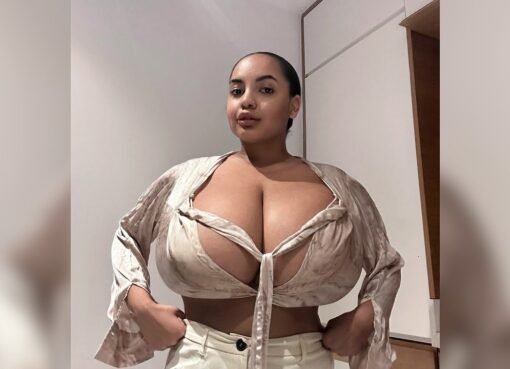
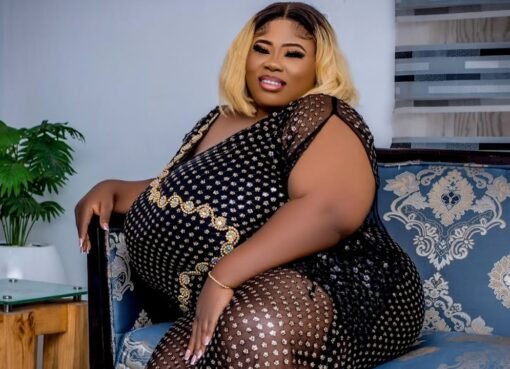
In a world where many strive to fit into predefined molds, there’s a refreshing shift led by inspiring individuals who embrace their uniqueness with confidence. Meet Jolene Mendez, Miranda Blakeslee, and Elaina, three remarkable plus-size curvy models who are redefining beauty standards. With their radiant presence and unwavering sense of self, they remind you of the beauty found in confidence, diversity, and self-reverence.
This article shines a light on these fearless muses and their journey to breaking barriers within the fashion industry. You’ll explore their stories of empowerment and how they’ve become symbols of corporeal autonomy for many. Each model, with her distinctive charm and grace, challenges the traditional ideals of beauty and encourages you to celebrate individuality and body positivity in today’s world.

This image is property of i.ytimg.com.
The Rise of Plus Size Curvy Models
In today’s fast-paced world, the beauty and fashion industries have started to reflect the diversity of the society they’re meant to serve. Gone are the days where only one size was deemed ideal, as the rise of plus size curvy models is reshaping perceptions worldwide.
Historical Context of Body Image in Fashion
For decades, the fashion industry perpetuated a narrow standard of beauty that celebrated thinness above all else. This often meant that models were expected to fit into unyielding sizes, setting an unrealistic standard for women and men alike. In the early 20th century, curvier body types were briefly idealized, but the advent of fashion icons like Twiggy in the 1960s solidified the slim, often undernourished look as the ultimate form of beauty. This persisted into the late 20th century, creating immense pressure on individuals who didn’t naturally fit into this mold.
The Shift Towards Inclusivity in the Modeling Industry
However, as the narrative around body image has evolved, there’s been a considerable shift towards inclusivity. This movement was sparked by cultural changes and consumer demands for authenticity and representation. In recent years, the fashion industry has taken bold steps to diversify its representation, both on the runway and in media campaigns. Numerous agencies now proudly represent a spectrum of body types, providing a platform for models who embody a wider array of physical forms.
Understanding the Term ‘Plus Size’
As inclusivity becomes more central in fashion, understanding the nuances around terms like ‘plus size’ is crucial. These words carry different meanings and implications based on context and culture.
Definitions and Misconceptions
The term ‘plus size’ is a label for clothing designed for individuals who are outside the standard sizing – typically a size 12 or more. Unfortunately, misconceptions abound, and for many, these connotations invoke a less-than-flattering association. However, the term is being reclaimed and redefined by advocates and industry professionals who stress that size shouldn’t diminish value or desirability. More than ever, it serves as a badge of empowerment and individuality.
Cultural Variations in Perception
Perceptions of ‘plus size’ are not uniform across cultures. In some regions, the concept is still stigmatized due to longstanding societal standards. Elsewhere, it is celebrated and embraced, with cultural contexts playing a major role in its interpretation. Global dialogues continue as more regions recognize the importance of body diversity.
Defying Mainstream Symmetry
Traditionally, beauty in fashion was tied heavily to symmetry, a concept that often excluded plus size individuals. But new waves in fashion are challenging these outdated ideals.
The Concept of Symmetry in Traditional Fashion
Symmetry has long been associated with beauty. The idea was that the more symmetrical the body, the more attractive it was considered. This belief permeated every corner of fashion, setting a standard that was visually rigid and often exclusionary for those who didn’t fit the mold.
Embracing Asymmetry and Diversity in Modern Fashion
Today, however, there is a movement towards celebrating asymmetry and diversity. As designers and industry leaders push the boundaries, they embrace the quirks and uniqueness that make each person beautiful. This paradigm shift encourages models of all sizes to showcase fashions that mirror the diversity of their wearers, rejecting old standards and welcoming an era of individuality.
Pioneers of Plus Size Modeling
Three luminous figures—Jolene Mendez, Miranda Blakeslee, and Elaina—have played pivotal roles in transforming the landscape for plus size modeling, each contributing uniquely to the movement.
Profiles of Influential Models: Jolene Mendez, Miranda Blakeslee, and Elaina
Jolene Mendez broke onto the scene with a resolve to challenge perceptions with her strong yet gentle presence. Miranda Blakeslee brought authenticity, sharing her journey with vulnerability, which resonated deeply with audiences. Elaina’s bold charisma and advocacy work turned heads and opened minds, bringing inclusivity to the forefront. Their combined efforts have paved pathways for other models.
Impact on Encouraging Body Positivity
These trailblazers not only changed runways but also cultivated a narrative of body positivity. By refusing to be confined by outdated norms, they’ve empowered countless individuals to cherish their bodies as they are. Through campaigns, social media, and personal testimonies, they affirm the message that beauty is multifaceted and inclusive.
The Role of Social Media
Social media has been instrumental in giving a voice to plus size curvy models, accelerating their visibility and impact.
Platforms Empowering Plus Size Models
Platforms like Instagram and TikTok have become pivotal in amplifying the voices and images of plus size models. These digital tools allow models to take ownership of their narratives, share experiences, and reach a global audience. By showcasing their work and everyday lives, they highlight the beauty of diversity.
Influence of Hashtags and Online Communities
Hashtags such as #PlusSizeFashion and #BodyPositivity have fostered a vibrant community online. These tags empower individuals and connect them with each other, creating an alliance of supporters who champion inclusivity. Online forums and communities provide a supportive space where models and followers alike can discuss challenges, celebrating victories and encouraging change.
Fashion Brands Embracing Curves
An increasing number of fashion brands are welcoming curves and designing collections that honor the bodies of all consumers.
Notable Brands and Designers Leading the Change
Brands like ASOS, Torrid, and Eloquii, among others, have taken considerable steps in designing clothes that cater to a full spectrum of sizes. These companies are not alone; high-end designers like Christian Siriano have also highlighted diverse models, proving that luxury fashion can be both inclusive and chic.
Collaborations with Plus Size Models
Collaborating with plus size models, many brands have driven home the message that everyone deserves to feel stylish. Such partnerships ensure authentic representation, allowing models to integrate their personal styles and voices into campaigns.
The Public Reception
The recognition of plus size models is evolving, and with it, public perception of what fashion ought to represent.
Consumer Behavior and Market Demand
There’s now a growing market demand for diversity in fashion. Consumers are increasingly supportive of brands and campaigns that reflect the reality of the world’s variety. Preferences lean towards authenticity, and people want to see themselves represented in the media they consume.
Media Representation and Criticism
Though there has been progress, the media’s portrayal is not without criticism. Inclusivity is sometimes used as a marketing tool rather than a genuine effort toward change, eliciting skepticism from audiences. However, committed advocacy keeps these conversations alive, ensuring that fashion media continues progressing toward authentic representation.
Challenges Faced by Plus Size Models
Despite advances, plus size models face distinct challenges within the industry.
Industry Bias and Stereotypes
Bias and stereotypes continue to present obstacles, often influenced by long-standing prejudices regarding size. These biases may limit opportunities and perpetuate false narratives that plus size models are less capable or marketable.
Pressure of Representation
Plus size models often find themselves under pressure to represent an entire community. This immense responsibility can be both motivating and daunting, as each model’s success or setback is scrutinized disproportionately.
Future of Plus Size Modeling
The trajectory for plus size modeling holds promise but requires ongoing effort to ensure lasting progress.
Predicted Trends in the Fashion Industry
Trends indicate a continued push toward inclusivity, with more diverse modeling rosters and broader size ranges in collections. Technology and digital media will likely continue to amplify authentic voices and create platforms for change.
The Role of Advocacy and Campaigns
Advocacy remains crucial. Campaigns that challenge stereotypes and promote diversity ensure that the gains made aren’t just trends, but lasting changes in the fashion landscape. Activists and industry players must continue to advocate for genuine inclusivity that transcends mere tokenism.
Conclusion
Summary of Key Points
The rise of plus size curvy models marks a profound shift in the fashion industry towards true inclusivity. From redefining the standards and challenging old norms to embracing diversity and encouraging body positivity, change is unfolding.
The Ongoing Journey Toward Inclusion and Diversity
Though challenges remain, the road toward a truly inclusive fashion world is well underway. As pioneers like Jolene Mendez, Miranda Blakeslee, and Elaina show us, change is not just possible; it’s happening right now. Through continued efforts, advocacy, and innovation, the future holds a more embracing fashion landscape where every size and shape is celebrated for its beauty and uniqueness.