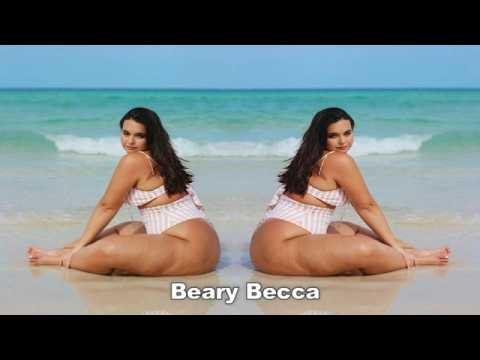
#chubbymodels #plussize #model #fashion #curvy #modeling #beauty #modelo #instamodel #topmodel
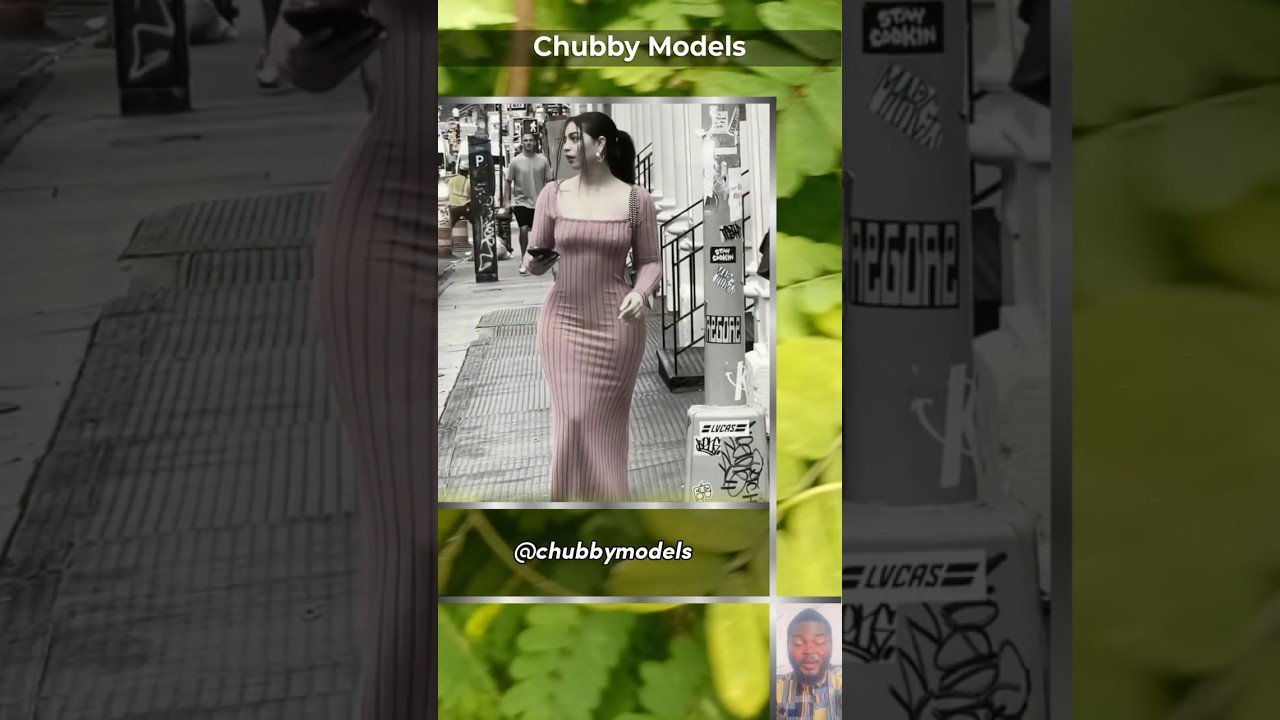
You’re about to explore the vibrant world of plus-size modeling, where beauty is celebrated in all its forms. This article brings you closer to the inspiring individuals who are redefining the fashion industry with confidence and style. You’ll discover how these models embrace their curves and showcase fashion that truly represents everyone.
Get ready to be inspired by the stories behind the hashtag #chubbymodels. This piece highlights the creative forces driving this movement and the impact they’re making in the modeling world. From video content by Chubby Models to stunning photo shoots, there’s so much beauty to appreciate within these circles.

This image is property of i.ytimg.com.
The Rise of Plus-Size Models in Fashion
The world of fashion modeling is as dynamic as it is diverse, with a rich history that paints a picture of constant transition. In the early stages, fashion modeling was an exclusive domain, primarily an avenue for skinny, statuesque figures. The archetype of beauty was defined narrowly, with models needing to meet rigid, thin-ideal standards prevalent from the mid-20th century. However, beneath this glamour, there was a missing piece—a piece that ignored the vast array of body types that existed outside these narrowly defined borders. Over the years, these cracks began to show, and the industry gradually shifted toward a wider lens of beauty.
The Historical Context of Fashion Modeling
Fashion modeling has a storied past that originally celebrated a specific version of femininity. Throughout the 20th century, models who graced the runways were often selected for their ability to embody a certain glamour—slim silhouettes were prized, and diversity in body types was rare. During those times, fashion was less about individual expression and more about conforming to idealized standards, which left many feeling marginalized. The industry, knowingly or unknowingly, dictated what was deemed beautiful, and it took decades for voices to challenge this status quo.
The Shift Towards Inclusivity in the Fashion Industry
Over time, the industry began to acknowledge the exclusion and lack of representation. The last few decades have seen an encouraging shift towards inclusivity. Designers, brands, and agencies are increasingly recognizing that beauty is not one-size-fits-all. This gradual transition showcases a transformation not just in fashion but also in societal perceptions of beauty. Inclusivity is no longer a marketing catchphrase but a commitment to represent all individuals, respecting their uniqueness.
Notable Milestones and Events Highlighting Plus-Size Models
Milestones in plus-size modeling underscore this evolving narrative of inclusivity. Events such as the appearance of Emme, the first full-figured model to reach supermodel status in the 1990s, served as a beacon of hope. The addition of plus-size models like Ashley Graham to the cover of major fashion magazines has also proven pivotal. Such events are testament to a slowly but surely breaking down of stereotypes, making room for diverse expressions of beauty to shine on global platforms.
Defining the Plus-Size and Curvy Model Categories
Fashion modeling is not merely about physical appearance, though body type certainly plays an integral role. In the realm of plus-size models, understanding the nuances in categorization can provide a more comprehensive view of the industry’s diversity.
Understanding Size Inclusivity in Modeling
Size inclusivity in modeling refers to representing a diverse range of body shapes and sizes. Historically, the sector skewed towards the smaller, narrower end of the spectrum. However, the demand, both from a consumer and cultural standpoint, has shifted towards broader representation. Modeling agencies and fashion platforms are now keen on embracing a spectrum of sizes, promoting a narrative that all bodies deserve to be celebrated.
Differences Between Plus-Size and Curvy
Although the terms “plus-size” and “curvy” are often used interchangeably, they convey distinct meanings within modeling. Plus-size typically refers to models who wear sizes 12 and up, with standards varying across different parts of the world. Curvy, on the other hand, is more about the body’s shape than its size, highlighting individuals with a distinct hourglass figure. Both categories urge the need for more diverse representation but reflect different aspects of body acceptance.
Cultural Perspectives on Body Image and Size
Cultural perspectives indeed vary greatly, but there’s a growing, positive recognition of different body sizes and shapes. Since perceptions of beauty are deeply intertwined with culture, these perspectives can significantly influence how size and body image are viewed. While some cultures have historically favored certain sizes, globalization and social movements have been instrumental in shifting these perceptions, valuing individuality over homogeneity.
Challenges Faced by Plus-Size Models
Despite the promising strides toward inclusivity, challenges remain, particularly in an industry steeped in traditional norms.
Societal Stigmas and Prejudices
One of the barriers that plus-size models face is societal stigma. Prejudices against larger body sizes can lead to negative stereotypes that extend beyond the runway, impacting both personal and professional lives. These challenges are often exacerbated by long-standing beauty ideals that glorify thinner bodies while marginalizing others.
Industry Barriers and Stereotypes
Even as the industry shifts, certain barriers and stereotypes remain entrenched. Plus-size models often struggle for equitable representation in the highest echelons of fashion such as runway shows or high-fashion editorials, which still may prioritize thinner participants. Traditional industry gatekeepers might still operate within an outdated mindset that favors uniformity over diversity.
Personal Experiences from Prominent Plus-Size Models
Prominent plus-size models share candid stories of battling industry odds, facing rejection more often than acceptance. Icons like Tess Holliday and Paloma Elsesser have spoken about their experiences with stigmatization and how perseverance allowed them to create meaningful change. These stories are more than personal anecdotes; they’re driving conversations around size acceptance and perception.
Opportunities in the Plus-Size Modeling Market
Despite the prevalent challenges, the plus-size modeling market is rich with opportunities, driven by changing tides both in fashion and consumer behavior.
Opportunities for New Faces in the Modeling Industry
With the shift toward inclusivity, there’s a hunger in the modeling world for new faces. Agencies now seek talents that reflect the audience’s diversity. This shift creates unprecedented opportunities for aspiring plus-size models who can bring authenticity and fresh perspectives to their work.
Brands and Designers Championing Plus-Size Models
Several brands and designers are emerging as champions of the plus-size movement, integrating larger sizes into their designs and marketing initiatives. Brands like Torrid and Good American have made it their mission to cater to the plus-size market, while designers like Christian Siriano have repeatedly offered inclusive runway shows. Their commitment sends a strong message—that every consumer matters.
Economic Potential of the Plus-Size Fashion Market
The economic potential of the plus-size fashion market is undeniable. With a significant proportion of the global population wearing plus-size clothing, the market potential is vast and largely untapped. More inclusive sizing leads to broader consumer bases and higher sales, proving that inclusivity isn’t just socially valuable but economically advantageous as well.
Impact of Social Media on Plus-Size Modeling
Social media has become a powerful platform for change in the fashion industry, turning the tide for plus-size models and influencing broader cultural perceptions.
The Role of Instagram and Other Platforms
Instagram, in particular, has been revolutionary, giving plus-size models direct access to audiences without the traditional gatekeepers. Through this platform, models can showcase their work, connect with fans, and share personal stories, creating a community that fosters support and acceptance.
Building Personal Brands and Influencing Trends
Social media enables plus-size models to build and maintain personal brands distinct from the traditional modeling framework. Influencers like Iskra Lawrence have leveraged their online presence to start conversations on body positivity, shape fashion trends, and influence industry standards.
Testimonials from Social Media Influencers in Plus-Size Modeling
Influencers continuously testify to the empowering nature of social media. With platforms that allow them to voice and amplify their experiences, they’ve become catalysts for change, using their reach to challenge norms and inspire others to embrace and celebrate all forms of beauty.
Iconic Plus-Size Models Leading the Industry
These iconic figures are not only changing mindset but also leading an industry transformation with their groundbreaking work.
Profiles of Groundbreaking Plus-Size Models
Models like Ashley Graham and Tara Lynn have forged paths with their bodies of work and advocacy. They have graced magazine covers, walked major fashion runways, and worked with leading brands, all of which assert the narrative that beauty come in every shape and size.
Their Influence on Fashion and Public Perceptions
These models aren’t merely participants but architects of change. They challenge traditional ideals and encourage new ways of thinking about fashion and beauty. Public perceptions have transformed alongside their work, leading to broader acceptance and appreciation of diverse forms of beauty.
Achievements and Contributions to the Industry
The contributions of these models go beyond their work in front of the camera. Through advocacy and participation, they have paved the way for a new generation of models to thrive. Initiatives started by figures like Ashley Graham’s ALDA, for example, strive to amplify the diversity of body types in the media.
The Role of Fashion Shows and Agencies
As crucial arbiters of fashion, shows and agencies are increasingly adapting to reflect the world’s diversity.
How Fashion Shows Are Adapting to Inclusivity
Fashion shows, once bastions of exclusivity, are showcasing models of all sizes more than ever. By including plus-size models, designers are making strides toward fuller representation, and these events reflect a broader acceptance of humanity’s diversity.
Agencies Specializing in Plus-Size Models
Agencies that exclusively represent plus-size models have emerged, such as IMG’s Brawn division, emphasizing the industry’s openness to diversity. These specialized agencies provide platforms where models can thrive without having to conform to outdated ideals.
Recent Trends in Fashion Shows Featuring Plus-Size Models
Recent fashion shows have embraced inclusivity, with designers integrating plus-size models into their vision. This trend highlights the industry’s progress toward acceptance and the celebration of different body types on a global stage.
Beauty Standards and Body Positivity Movements
As beauty standards continue to evolve, crucial movements like body positivity play influential roles in substantiating change.
The Evolution of Beauty Standards Over Time
Beauty standards have historically fluctuated but are evolving towards inclusivity. Whereas past centuries favored narrow ideals, today’s standards increasingly celebrate a multiplicity of body types, supported by changing cultural attitudes and media portrayals.
The Impact of Body Positivity on Fashion
The body positivity movement profoundly influences fashion by prioritizing self-love and acceptance. This movement encourages inclusive practices, driving brands to rethink their approach and serve a broader, more diverse audience.
Initiatives Promoting Self-Love and Acceptance
Numerous initiatives, from fashion campaigns to grassroots movements, call for self-love and acceptance. These initiatives, including campaigns like Dove’s Real Beauty, aim to shift paradigms and encourage people to embrace their uniqueness unreservedly.
Future Trends in Plus-Size Fashion Modeling
The future of plus-size modeling promises a deeper commitment to diversity, catalyzed by technological advances and changing cultural currents.
Predictions for the Future of Size Inclusivity
In the years to come, you can expect size inclusivity to shift from trend to norm. The industry is moving towards a time when representation across all sizes will be commonplace, emphasizing beauty’s diversity as its strength.
Technological Innovations in Fashion for Plus-Size Models
Technological advances open new doors for plus-size fashion, tailoring experiences and offerings to individual consumers. Virtual runway shows and AI-driven personalization will enhance the representation and accessibility of plus-size fashion.
Emerging Designers Focusing on Plus-Size Fashion
A new wave of designers is focusing on plus-size fashion, determined to push boundaries and innovate. These designers aim to create clothing that celebrates the human body rather than fitting it into preconceived notions, ultimately enriching the fashion landscape.
Conclusion
Plus-size models have become an indelible part of the fashion industry, marking significant progress in representation and inclusivity. While strides have been made to broaden the notion of beauty, challenges remain, requiring continued efforts to break down remaining barriers. However, with ongoing dialogue and engagement from brands, designers, and influencers, the hope for further diversity and inclusion is vibrant. With this momentum, the industry promises to reflect a world where everyone can see themselves and find beauty and empowerment in fashion’s narrative.