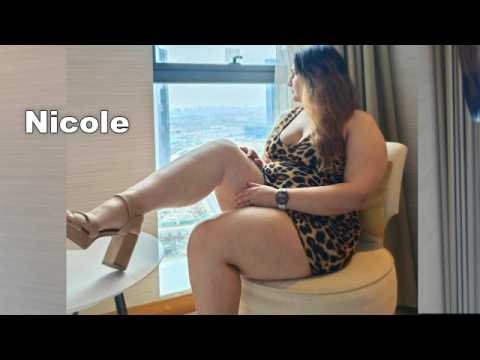
Exploring the World of Plus Size Models Curvy

In a world where traditional beauty standards are slowly being reimagined, vibrant figures like Milena Velba, Honey Baby, and Mandy Gio shine brightly. They challenge the usual norms with their unique charisma, reminding you that beauty can be wonderfully diverse. Their stories celebrate self-love and confidence, embracing curves with elegance and authenticity.
As you embark on this journey, you’ll discover the empowering world of plus-size models, filled with inspiration and bold expressions of individualism. From fashion runways to personal triumphs, these models pave a path of self-reverence and autonomy, offering new perspectives on beauty and style. Prepare to be inspired by their courage and grace, enlightening your perception of the fashion universe.

This image is property of i.ytimg.com.
The Evolution of Plus Size Modeling
The world of fashion has witnessed a remarkable transformation over the years, with an ever-growing acceptance and celebration of plus size models. This evolution has been marked by a shift in perceptions, bringing diverse body types to the forefront of fashion.
Historical Perspective on Plus Size Fashion
Historically, the fashion industry has largely catered to a narrow vision of beauty, often sidelining fuller figures. However, plus size fashion has its own rich history. In the earlier decades of the 20th century, fashion was more inclusive by necessity, as many women had curves that today would be considered plus size. Over time, as the fashion industry gravitated towards smaller body types, the representation of curvy figures dwindled. Yet, the dawn of the late 20th century brought a renewed interest, with designers beginning to craft clothing that celebrated, rather than concealed, the plus size form.
Key Milestones in the Plus Size Industry
The rise of plus size modeling features several key milestones that marked a change in attitudes. From Lane Bryant’s pioneering catalog in the 1920s that catered specifically to fuller figures to the launch of plus size-specific magazines like MODE in the late 1990s, the industry has seen significant progress. The introduction of the first plus size model agency, Big Beauties, in the late 1970s by model Mary Duffy was a game-changer, setting a precedent for inclusion and accessibility in fashion.
The Changing Perception of Beauty
Perceptions of beauty are fluid, influenced by cultural, social, and media narratives. The plus size movement has significantly reshaped these perceptions, driving home the idea that beauty comes in all sizes. The societal demand for inclusivity has pushed fashion houses to rethink their strategies, leading to an embrace of diversity that challenges outdated paradigms. The work of plus size models in the industry has played a pivotal role in broadening the definition of beauty to encompass a multitude of shapes and sizes.
Defining Plus Size: What Does It Mean?
Understanding what qualifies as plus size requires looking at both industry standards and societal perceptions, which often differ.
Industry Standards and Measurements
In fashion terminology, plus size typically refers to sizes 12 and up, though these standards can vary between countries and brands. The industry benchmarks are primarily driven by consumer sizes and market demand, but they often don’t reflect actual average sizes, which can lead to confusion and dissatisfaction among consumers who find themselves at the cusp of size categories.
The Debate on Terminology
The term “plus size” itself often sparks debate. Some see it as a necessary category that champions inclusivity within a historically exclusive industry. Others argue that labeling can be restrictive, asserting that it separates rather than unifies. Alternative terms such as “curvy” and “full-figured” are used with increasing regularity, yet the debate on the most empowering term to use continues.
Cultural Differences in Size Perception
Cultural perceptions of size vary widely worldwide. For instance, body positivity movements have taken strong roots in some Western societies, advocating for a more inclusive understanding of size. In contrast, other cultures might focus on different ideals, creating a diverse global perspective surrounding body image. These cultural differences shape how plus size fashion is perceived and practiced around the world.
Notable Plus Size Models in History
Plus size models have not only changed the fashion industry but have also inspired countless individuals to embrace their bodies.
Trailblazers of the Plus Size Movement
Trailblazing models have shattered the glass ceiling, opening doors for new generations of diverse talent. Figures like Emme Aronson in the 1990s became household names, showcasing confidence and success in a world that had often turned a dismissive eye. Their contributions have laid the groundwork for future models to freely express their individuality.
Profiles of Influential Plus Size Models
Influential models such as Ashley Graham and Tess Holliday have become icons in the industry. Their presence on significant fashion runways and magazine covers has been a testament to the change and acceptance that the industry has strived towards. Through their stories, these models advocate for self-love and body positivity, making impactful strides in a historically exclusive realm.
Impact of Models Like Milena Velba and Others
Models such as Milena Velba have left an indelible mark on the industry, not only through their modeling work but also through their advocacy for body autonomy and self-reverence. Their careers demonstrate how the personal can become political, challenging conventional norms and inspiring others to do the same.
Plus Size Modeling in the Media
Media outlets have played a crucial role in shaping the narrative around plus size models.
Representation in Fashion Magazines and Advertising
The inclusion of plus size models in fashion magazines and advertising campaigns has become more prevalent in recent years. Publications that once solely prioritized slenderness now champion diversity, showcasing a variety of bodies in their pages. This representation is vital in challenging beauty standards and changing public perception.
Television and Film: Breaking Stereotypes
Television and film have also contributed to breaking down stereotypes about larger body types. Characters portrayed by plus size actors bring depth and relatability, reflecting the diversity of everyday life. These representations help normalize various body types, empowering audiences to appreciate their own bodies.
The Rise of Social Media Influencers
Social media platforms have given rise to a new era of self-made influencers who proudly represent plus size communities. These influencers reach wide audiences, promoting messages of self-love and acceptance. Through social media, the visibility of plus size models has increased, allowing them to directly engage and inspire their followers.
Challenges Faced by Plus Size Models
Despite the progress and acceptance, plus size models continue to face unique challenges within the fashion industry.
Body Shaming and Societal Judgments
Body shaming remains a significant issue, with plus size models often at the receiving end of unwarranted criticism. Society’s rigid beauty standards can lead to harsh judgments, affecting not only their careers but also their personal lives. Overcoming these societal pressures requires resilience and determination.
Limited Opportunities in High Fashion
While there have been strides in inclusivity, opportunities in high fashion remain limited for plus size models. Not all designers have embraced full-size lines or runway diversity, leaving many models limited to certain markets. This lack of representation in prestigious fashion shows highlights an area in need of growth and change.
The Pressure to Conform within the Industry
Even within the plus size modeling niche, there can be pressure to adhere to specific body types or measurements, effectively limiting diversity. These constraints challenge models to either conform to certain standards or find alternative paths to success that celebrate their unique attributes.
The Business of Plus Size Fashion
The economic potential of plus size fashion is immense, with a growing demand for diversity in apparel options.
Market Demand for Plus Size Apparel
With a significant portion of the population wearing plus sizes, the demand for inclusive fashion is ever-increasing. Brands have started to recognize the economic benefits of offering extended size ranges, driven by the growing consumer call for fashionable and flattering options.
Brands Leading the Charge in Plus Size Fashion
Brands like Torrid, ASOS Curve, and Eloquii are trailblazers in plus size fashion, consistently striving to deliver trendy and stylish clothing for their clientele. Their dedication to inclusion has inspired other brands to widen their offerings, creating a competitive market that values all customers.
Success Stories of Plus Size Model Ventures
Plus size models like Ashley Graham have parlayed their modeling careers into successful business ventures, launching clothing lines that cater to diverse body types. These entrepreneurial efforts demonstrate the synergy between model advocacy and consumer demand, resulting in tangible industry change.
The Role of Social Media in Promoting Plus Size Models
Social media has been instrumental in the evolution of the plus size modeling industry, offering platforms for new voices and stories.
Platforms Embracing Diversity
Social media platforms, such as Instagram and TikTok, have embraced the diversity that plus size models bring. These platforms allow users to curate and control their narrative, leading to a broader and richer representation of body types.
Influencers and Their Impact on Public Perception
Influencers in the plus size community wield significant power in shaping public perception, showcasing body diversity as an everyday norm. By sharing their lives and experiences, they dismantle stereotypes and provide a more inclusive blueprint for beauty standards.
Building a Community of Support and Encouragement
Online communities provide spaces where people can share their stories, find encouragement, and build friendships based on mutual respect and understanding. These support networks are invaluable for individuals seeking community and solidarity, fostering an environment where everyone is celebrated.
Creating a Body Positive Industry
The push for body positivity within the fashion industry marks a progressive step towards inclusivity.
Advocacy for Body Positivity
Advocates for body positivity focus on empowering people to love and accept themselves at any size. Their work challenges harmful narratives and encourages a shift in cultural attitudes towards body diversity, fostering an environment where everyone feels valued.
Initiatives Promoting Diversity and Inclusion
Diverse representation initiatives have central roles in promoting industry change. These efforts encourage brands to hire a wider range of models, incorporate various perspectives in campaigns, and offer inclusive products that appeal to a broad consumer base.
The Future of Modelling and Body Politics
The future of modeling seems set on an inclusive path, where diversity is not just a trend but a mainstay. As discussions on body politics continue to evolve, the hope is for an industry that values all expressions of beauty equally, redefining societal standards once and for all.
Personal Stories: Successes and Struggles
The compelling narratives of plus size models speak volumes about their personal and professional journeys.
Model Biographies and Testimonials
Many plus size models have gripping stories that span both triumph and struggle. Their biographies often delve into their paths to success, revealing personal challenges, breakthroughs, and the perseverance required to thrive in a competitive industry.
Stories of Resilience and Triumph
Resilience is at the heart of many plus size models’ stories. They have overcome barriers, faced criticism, and risen to prominence with determination. Their triumphant stories inspire others, proving that success is attainable regardless of size.
The Personal Impact of a Public Career
The demands of a public career in modeling can have profound personal impacts. Models navigate the pressures of fame while maintaining authentic self-expression, all while serving as role models who advocate for change and representation within the industry.
Conclusion
The Ongoing Journey of Plus Size Models
The journey of plus size models is ongoing, characterized by breakthroughs and challenges. Their continued presence is vital in setting progressive industry standards and shifting cultural perspectives on body diversity.
Encouraging Diversity in Every Aspect of Fashion
Diversity in fashion must persist in every realm—from catwalks to advertising to retail. Encouraging and implementing such diversity helps to create an industry that resonates with all individuals, enhancing both cultural and commercial landscapes.
The Impact of Plus Size Models on Future Generations
The influence of current plus size models extends beyond today, reaching into the aspirations of future generations. By embracing and showcasing their uniqueness, these models set the stage for a more inclusive and accepting world for those who follow in their footsteps. Their legacy is not just in their art but in their advocacy, helping to build a fashion industry that is more reflective of the world around us.